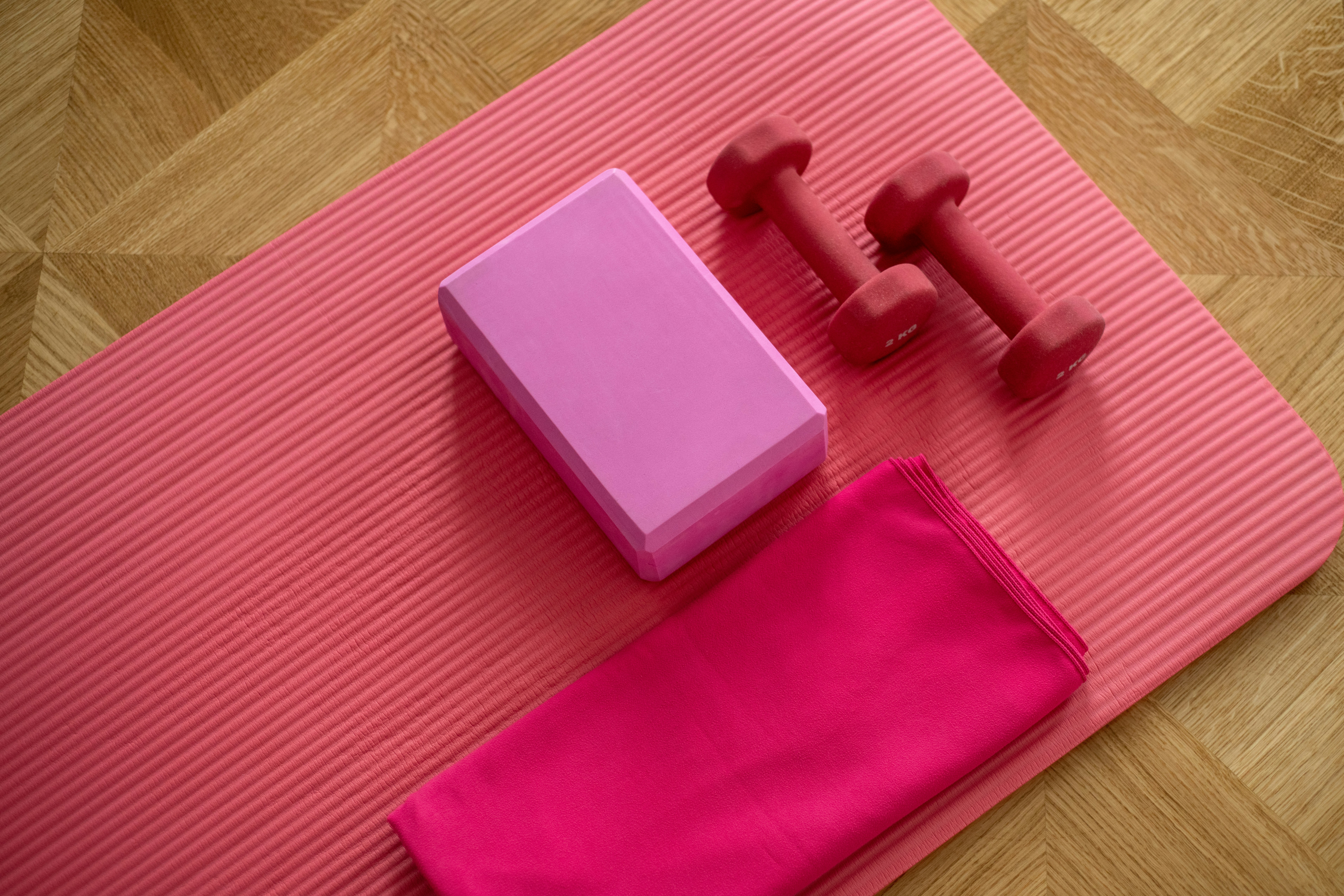
Essential Yoga Equipment for a Home Studio
Creating a comfortable and functional home studio for yoga practice begins with the right equipment. Central to any yoga practice is the yoga mat. A quality mat provides stability and cushioning, making it essential for both beginners and seasoned practitioners. Depending on the style of yoga practiced, selecting the right mat is crucial; for instance, a thicker mat may be more suitable for gentle yoga sessions, while a non-slip surface is ideal for hot yoga, where sweat can make poses challenging.
In addition to a mat, yoga blocks are vital tools that assist in achieving better alignment and providing support in various poses. They allow practitioners, especially those who are less flexible, to modify poses to match their level. For those looking to deepen their practice, using blocks can enhance stability and help maintain correct posture.
Yoga straps are another important piece of equipment. They can assist in stretching and improve flexibility, allowing practitioners to hold poses longer or reach areas that may otherwise be difficult to access. Straps are particularly beneficial for reinforcing alignment and supporting transitions between poses.
Lastly, yoga blankets offer comfort and warmth during practice, especially in restorative yoga or during long-held poses. They can also be used for padding or support, making them versatile companions for various styles of yoga. Opting for natural materials enhances breathability and comfort.
In summary, essential yoga equipment such as mats, blocks, straps, and blankets plays a significant role in creating an effective home studio. By investing in high-quality items tailored to specific yoga styles, practitioners can enhance their comfort, flexibility, and overall practice experience.
Key Pilates Equipment for Strength and Flexibility
Pilates is renowned for enhancing strength, flexibility, and core stability. Utilizing specialized equipment can significantly elevate the effectiveness of Pilates workouts. Among the essential tools, the Pilates reformer stands out as a hallmark of this practice. The reformer utilizes springs, ropes, and a sliding carriage to provide varied resistance. This versatility allows practitioners to work on both strength and control, catering to all fitness levels. By adjusting the resistance, individuals can target specific muscle groups while enhancing their overall balance and coordination.
Another effective tool is the stability ball. This versatile piece of equipment challenges balance and engages the core by forcing users to stabilize during various exercises. Incorporating a stability ball can improve posture and enhance core strength, ultimately leading to greater flexibility. It is particularly effective for performing exercises aimed at the abdominals, back, and glutes, thereby fostering a more toned physique.
Resistance bands are a portable, convenient option that can enhance any Pilates routine. They come in various resistance levels and can be used to create tension during workouts. Bands are highly effective for improving muscular endurance and flexibility, as they allow for a full range of motion and can be easily integrated into both mat and reformer exercises. They can also be utilized for warm-ups, inseparably linking breath control with strength training.
Lastly, the Pilates ring, also known as a magic circle, is a lightweight tool designed to engage muscles during a variety of movements. It helps in building strength while also promoting flexibility through controlled, gentle resistance. Incorporating the ring into workouts can elevate the benefits derived from both traditional Pilates exercises and new movements alike.
To ensure maximum benefit, it is advisable to integrate these tools consistently in daily routines. Developing a schedule that includes a variety of exercises with each equipment type will facilitate balanced muscle development, aiding in overall strength and flexibility throughout the body.
Choosing the Right Space for Your Home Gym
Creating the perfect atmosphere for your home gym dedicated to yoga and Pilates requires careful consideration of various factors. First and foremost, selecting an appropriate space within your home is essential. Look for a room that offers ample space for movement, ideally with enough room for a yoga mat and potentially other equipment such as blocks and straps.
Lighting plays a significant role in enhancing the environment. Natural light is particularly beneficial, as it can uplift your mood and create an inviting atmosphere. If possible, choose a room with large windows or consider adding soft, adjustable lighting options that mimic daylight. Avoid harsh fluorescent lighting, which can be uninviting and disrupt the relaxing quality of your practice.
Flooring is another critical element to contemplate when establishing your home gym. Hard surfaces may lead to discomfort during practice; therefore, a soft, cushioned flooring option is recommended. Materials such as cork, rubber, or even hardwood with a soft rug can provide the comfort needed for yoga and Pilates sessions. It is essential to ensure that the space allows for stability and proper alignment during various poses and movements.
Ventilation should not be overlooked when planning your gym. A well-ventilated room encourages fresh airflow, ensuring your space feels refreshing and invigorating during workouts. You can also incorporate indoor plants to help purify the air and enhance your home gym’s overall aesthetic.
Finally, decorating your space can greatly impact your motivation to practice. Choose calming colors and inspirational decor that resonates with you. Items such as artwork, candles, or serene wall hangings can foster a relaxing atmosphere conducive to yoga and Pilates. By thoughtfully selecting the right space and designing it to promote relaxation and motivation, you can create a home gym that inspires your practice.
Building a Balanced Home Workout Routine with Yoga and Pilates
Creating a balanced home workout routine that incorporates both yoga and Pilates can significantly enhance your fitness level by promoting strength, flexibility, and mindfulness. To achieve this, it is essential to practice both disciplines consistently while ensuring a harmonious integration of movements. A recommended approach is to engage in yoga two to three times a week, complementing it with Pilates sessions the remaining days. This frequency allows for adequate recovery while maximizing the benefits of each practice.
When combining yoga and Pilates, it is vital to incorporate a variety of movements that promote strength and flexibility. In yoga, focus on poses that engage core stability, such as the Plank Pose or Downward-Facing Dog, which enhance muscular endurance and flexibility. Conversely, Pilates exercises like the Hundred or the Roll-Up emphasize core strength and control, essential for overall body stability. By alternating between these practices, you can develop a well-rounded routine that maintains balance in your physical abilities.
Moreover, it is crucial to adjust practices based on individual fitness levels. Beginners may start with basic poses and exercises to build a solid foundation, while more advanced practitioners might explore complex variations to challenge their skills. Yoga offers numerous modifications and props, such as blocks and straps, to ease transitions and enhance alignment, making it accessible to all skill levels. Similarly, Pilates equipment like the Reformer or stability ball can provide additional support and resistance for varied training intensities.
Beyond the physical benefits, engaging in both yoga and Pilates can significantly enhance mental well-being. The meditative aspects of yoga combined with the focus required in Pilates create a dual practice that promotes mental clarity, reduces stress, and fosters an overall sense of calm. Therefore, creating a balanced home workout routine that combines these two practices can truly enhance your physical fitness and mental health.