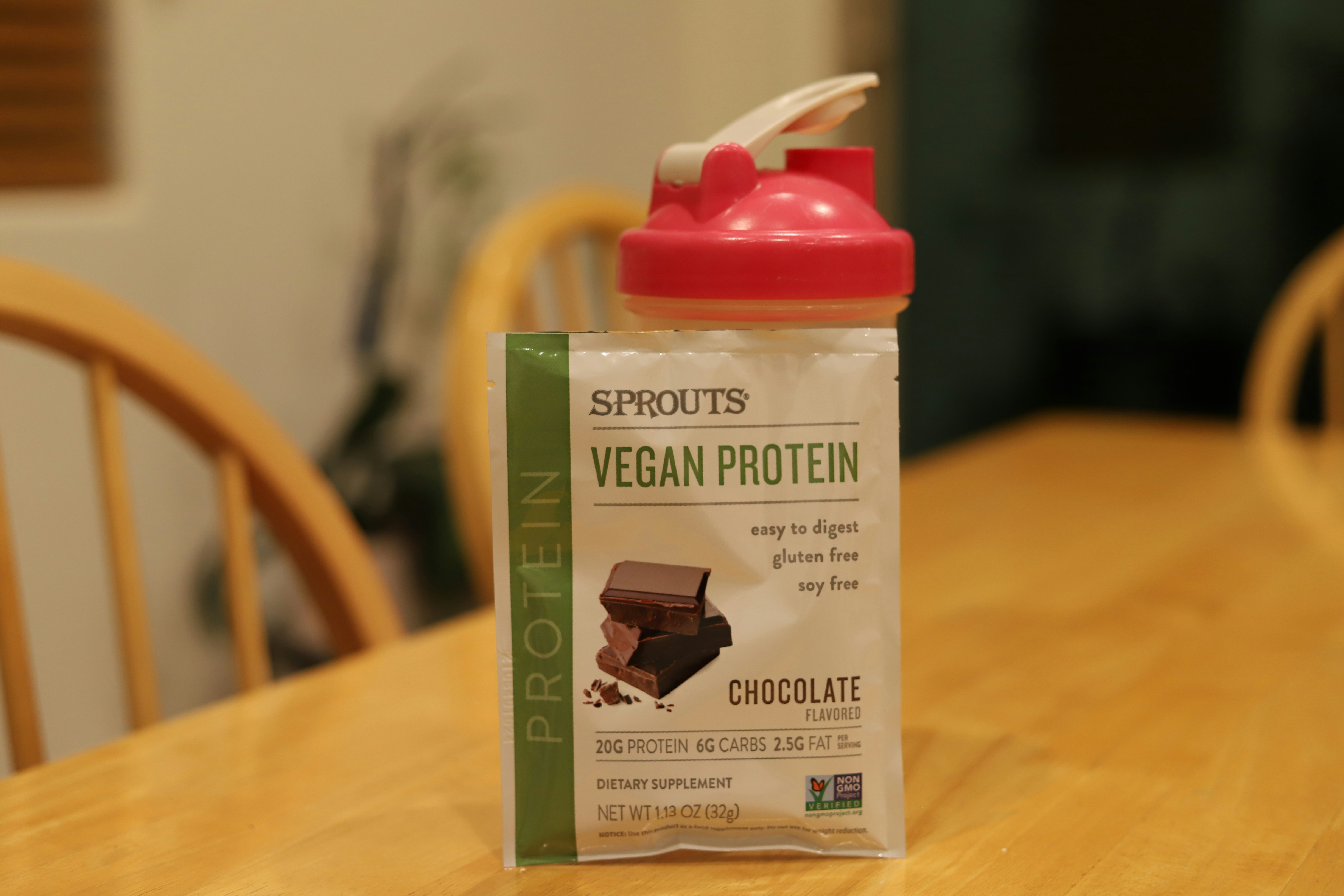
Understanding Protein and its Role in Muscle Recovery
Protein is an essential macronutrient that plays a vital role in the body, particularly in muscle recovery and growth following exercise. Composed of amino acids, proteins are the building blocks of muscle tissue and are critical for repairing the microscopic tears that occur during intense physical activity. Without sufficient protein intake, the recovery process can be impeded, leading to longer recovery times and potentially diminishing performance in subsequent workouts.
Proteins can be categorized into complete and incomplete proteins. Complete proteins, which include sources such as meat, fish, eggs, and dairy products, contain all nine essential amino acids required for muscle repair and regeneration. On the other hand, incomplete proteins, typically found in plant-based foods like beans, legumes, and grains, lack one or more of these essential amino acids. To optimize muscle recovery, especially for those adhering to vegetarian or vegan diets, it is important to consume a varied selection of protein sources that collectively provide all necessary amino acids.
Adequate protein intake post-workout is crucial as it aids in the synthesis of new muscle proteins, effectively rebuilding and strengthening the muscle fibers that were stressed during exercise. The recommended daily protein intake varies based on factors such as age, gender, and activity level. For those engaged in regular strength training or high-intensity workouts, experts generally suggest aiming for approximately 1.2 to 2.2 grams of protein per kilogram of body weight. This guideline helps ensure that individuals are consuming enough protein to support their recovery and promote muscle growth efficiently.
Benefits of Using Protein Powder After Workouts
Protein powder serves as an essential supplement for athletes and fitness enthusiasts aiming for optimal muscle recovery post-exercise. One of the primary advantages of choosing protein powder is its ability to provide a high dosage of protein that the body can absorb rapidly, significantly faster than whole food sources. This quick absorption is critical after intense workouts, as it helps replenish the protein stores that are depleted during physical activity, thereby promoting muscle repair and growth.
Moreover, protein powder offers unparalleled convenience, making it an ideal choice for those with busy lifestyles. Preparing whole food meals can be time-consuming, particularly after a workout when one is often fatigued. In contrast, protein powder can be mixed into a shake and consumed in a matter of minutes, ensuring that athletes receive their necessary intake promptly, which is crucial for effective recovery.
In addition to facilitating recovery, protein powder supports the development of lean muscle mass. For individuals engaged in strength training or bodybuilding, adequate protein intake is essential to stimulate muscle protein synthesis. Various types of protein powders exist to cater to diverse dietary preferences and needs. Whey protein, renowned for its rapid digestion and complete amino acid profile, is often favored by many. Casein, on the other hand, digests slowly and is ideal for sustained release of amino acids, making it suitable for nighttime recovery. Plant-based options, such as pea and hemp protein, are thriving among individuals seeking vegan or lactose-free alternatives. Each type offers unique benefits, and understanding these can help individuals make informed decisions about their post-workout nutrition.
Timing and Amount: How to Optimize Protein Powder Use
Understanding the timing and amount of protein consumption post-workout is crucial for muscle recovery and overall fitness results. The concept of the “anabolic window” plays a significant role in this context. This term refers to a critical period, typically within 30 minutes to two hours after exercise, where the body is particularly receptive to nutrient absorption. Consuming protein within this timeframe can dramatically enhance muscle protein synthesis, reducing recovery time and promoting muscle growth.
Research indicates that during this anabolic window, the muscles are more efficient at utilizing amino acids for repair and growth. To optimize recovery, it is recommended that individuals consume 20 to 30 grams of high-quality protein immediately following high-intensity workouts. This quantity is generally sufficient for most individuals to stimulate muscle protein synthesis effectively.
However, the ideal protein dosage may vary depending on several factors, including body weight, workout intensity, and personal fitness goals. A commonly suggested guideline is to consume approximately 0.25 to 0.40 grams of protein per kilogram of body weight after exercising. For example, a person weighing 70 kg might aim for around 17.5 to 28 grams of protein post-workout. It’s also essential to consider the type of protein consumed. Whey protein is popular due to its rapid absorption rate, but alternatives like casein or plant-based proteins can also support recovery effectively.
In conclusion, optimizing protein powder intake through appropriate timing and quantity can significantly impact post-workout recovery. By adhering to recommended amounts and focusing on consumption soon after exercise, individuals can better support their muscle repair and growth efforts, leading to enhanced athletic performance and improved training outcomes.
Incorporating Protein Powder into Your Post-Workout Routine
Integrating protein powder into your post-workout routine can enhance recovery and muscle growth when done correctly. One effective method is to blend protein powder into a smoothie. This approach allows for the combination of protein with fruits, vegetables, and healthy fats, creating a nutrient-dense beverage. For instance, mixing a scoop of whey or plant-based protein powder with spinach, bananas, and almond milk not only provides essential amino acids but also offers vitamins and minerals that further aid recovery.
When selecting a protein powder, consider your dietary preferences and restrictions. Whey protein is popular for its high bioavailability, promoting rapid absorption. However, for those who are vegan or lactose intolerant, there are various plant-based options, such as pea, rice, or hemp protein. Look for brands that have undergone third-party testing to ensure quality and potency. Additionally, some protein powders come fortified with added BCAAs or electrolytes, which can be beneficial post-exercise.
While incorporating protein powder, it is essential to maintain balance. Common mistakes include relying solely on protein supplements while neglecting whole food sources of nutrition. Whole foods provide a broader range of nutrients that are vital for overall health. Ensure that protein powder complements a well-rounded diet rich in fruits, vegetables, whole grains, and healthy fats. Furthermore, be cautious of over-consumption; exceeding recommended servings can strain your kidneys and disrupt nutrient absorption. Stick to the appropriate dosage suggested on the product label, typically one to two servings per day, depending on your individual protein needs.
Recommended Non-Restrictive Protein Powders
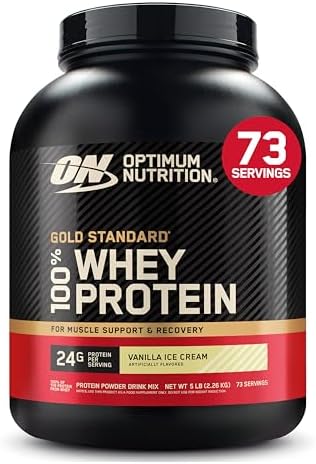

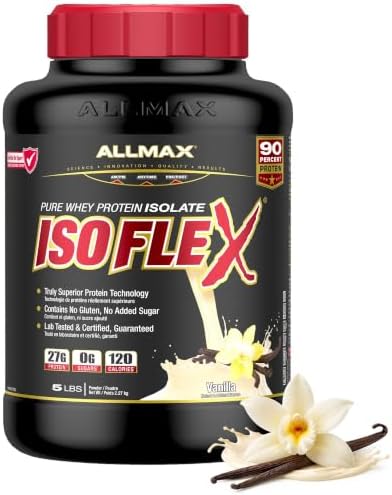
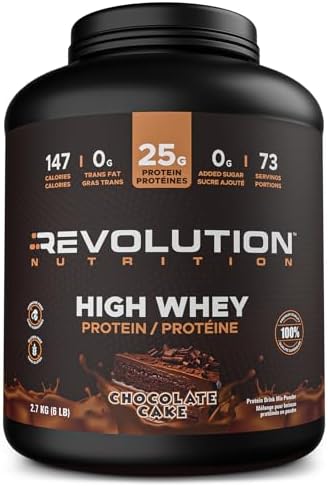
Recommended Organic Protein Powders


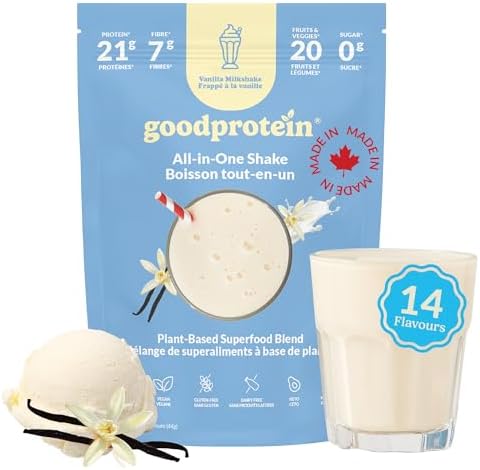
Recommended Vegan-Friendly Protein Powders


